
How We Work

Working alongside families, communities and organisations to create lasting change for children

Our Approach

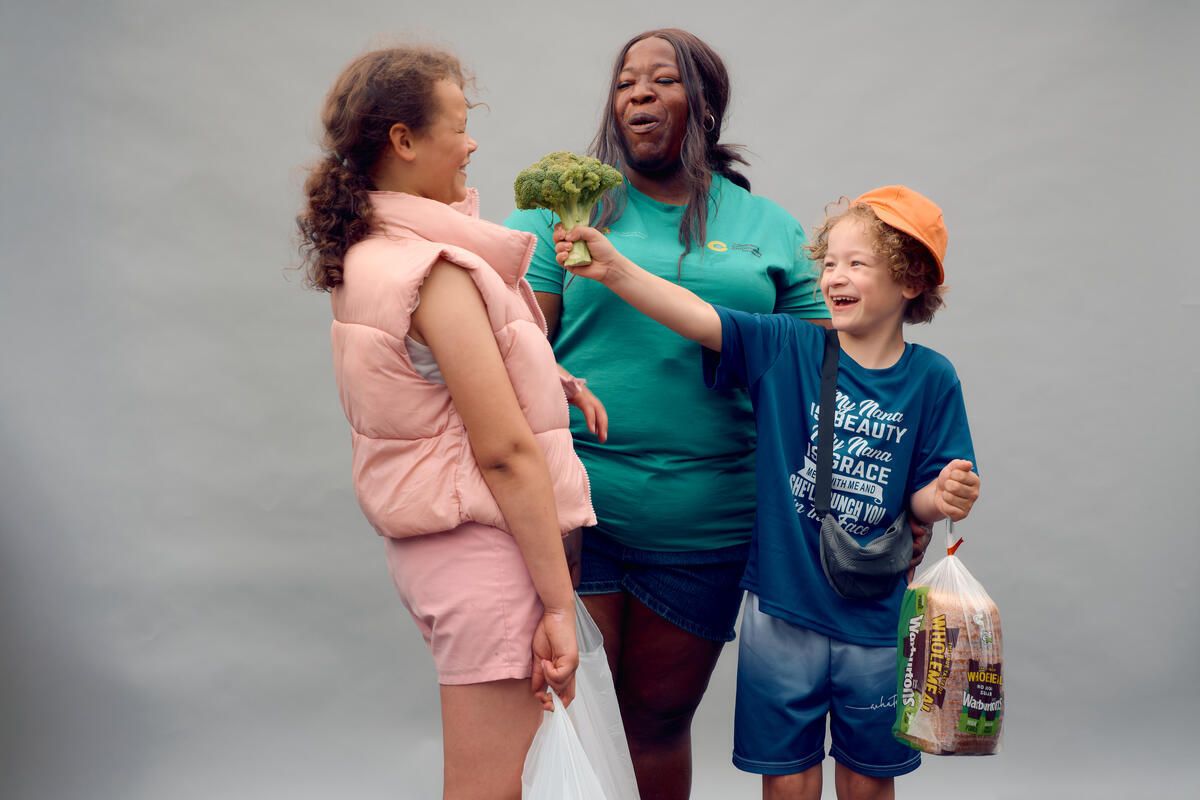
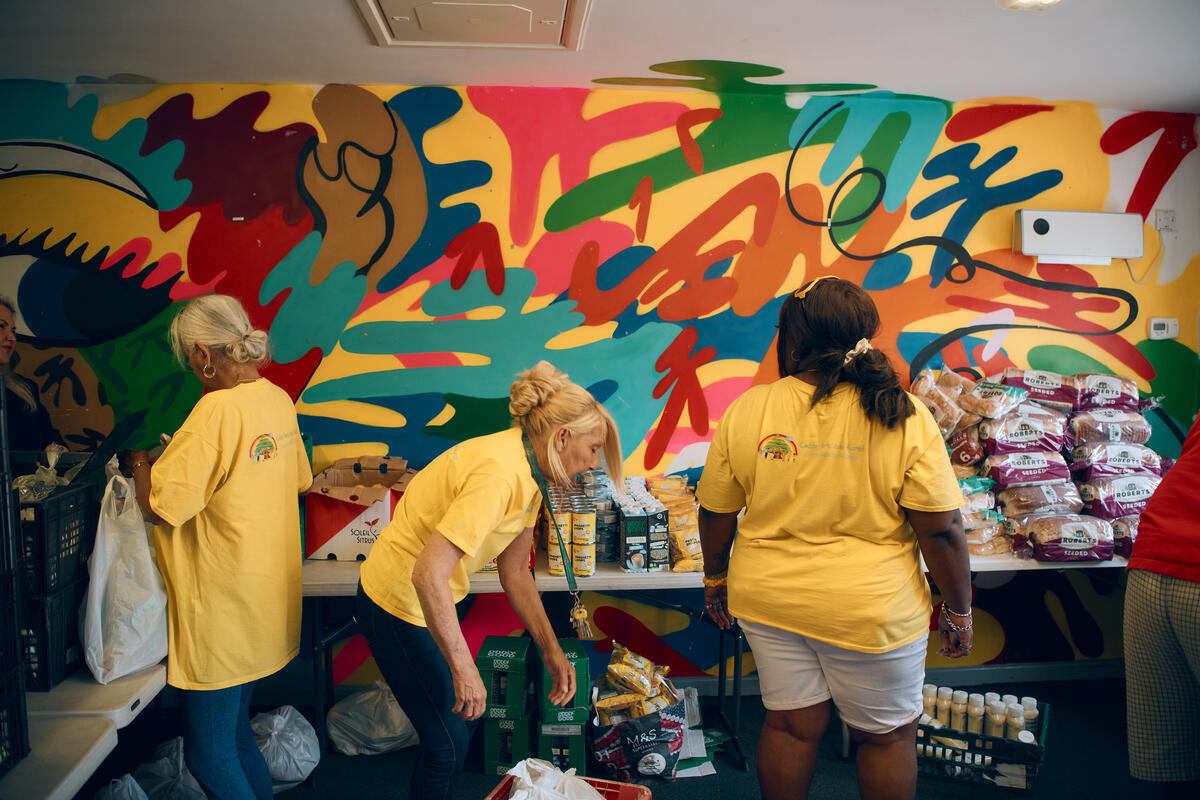
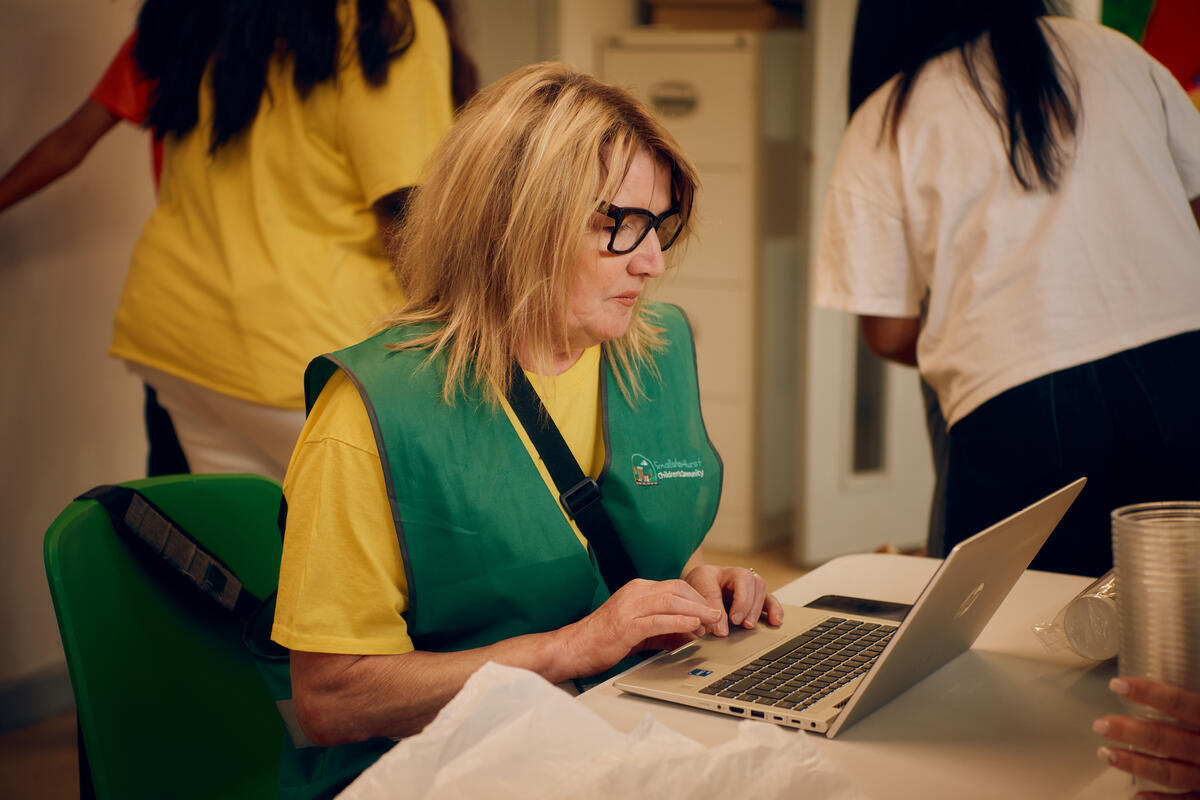
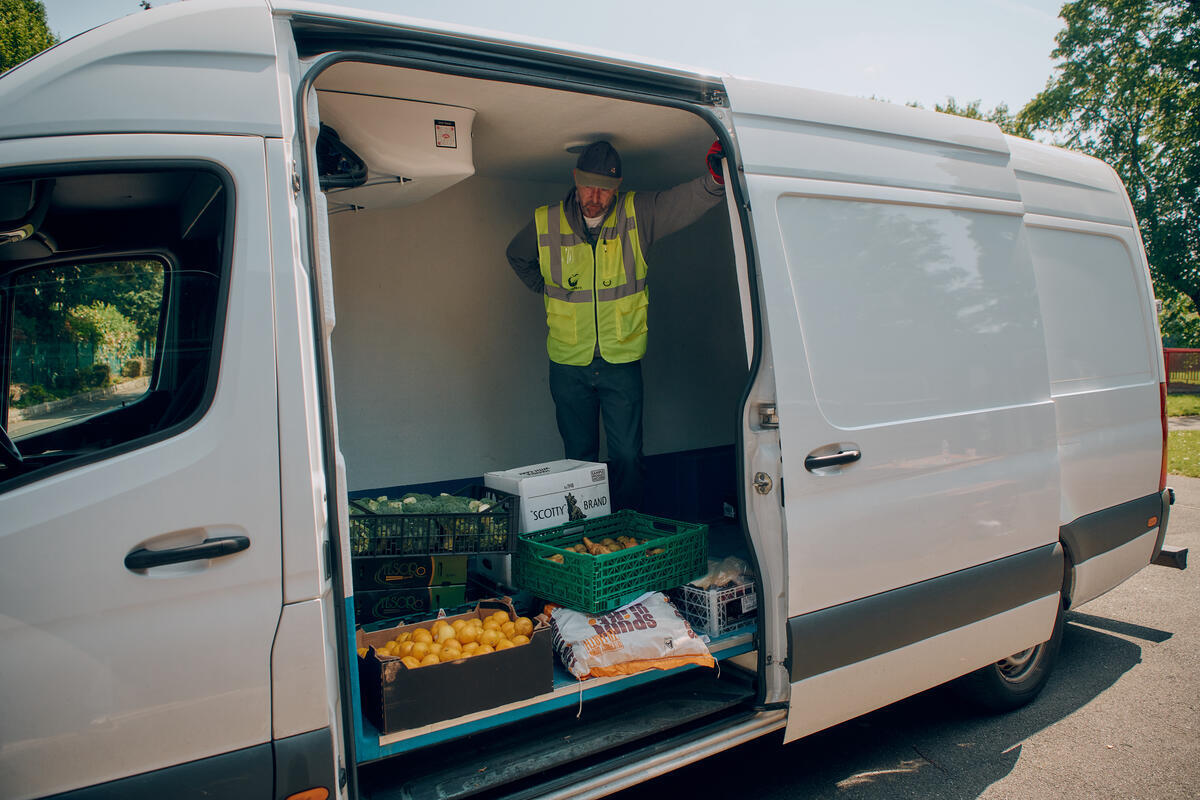
Our work is rooted in relationships, trust and long-term commitment. We work alongside families, communities and organisations in Smallshaw-Hurst, building connections, listening to lived experience and helping people work together differently over time.

The 'Problem'

Children don’t grow up in ‘services’. They grow up in families, streets, schools, neighbourhoods, relationships and opportunities.

But too often:

  • Support is fragmented.
  • Families are treated like ”service users”.
  • Solutions are done to people, not with them.
  • Systems make it hard for communities to thrive.
The 'Belief'

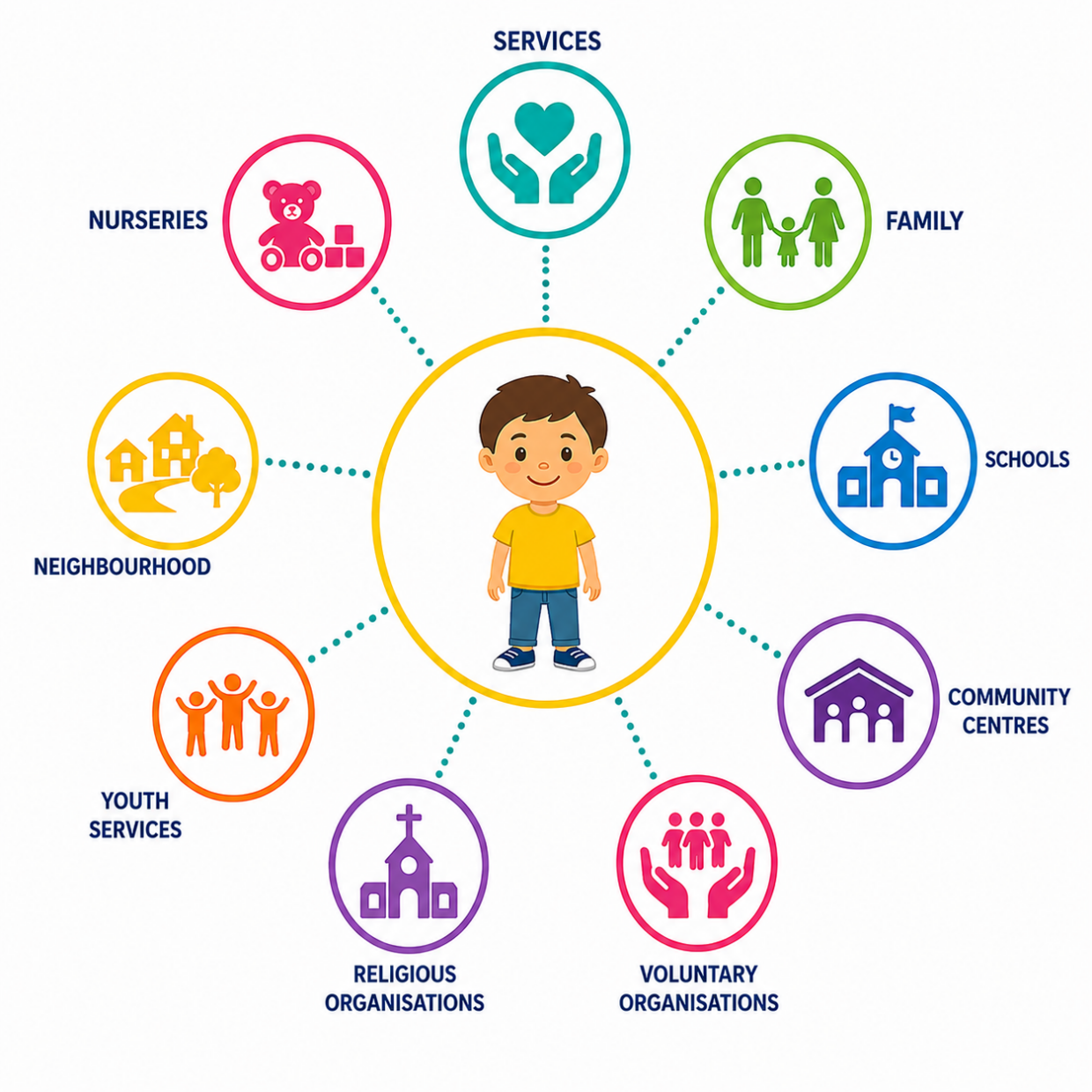
Inspired by Bronfenbrenner’s Ecological Systems Theory, the child is at the centre of a wider ‘village’ of support that surrounds and shapes their experience.

It takes a village to raise a child, and that village is not just parents. It includes the whole community supporting a child across their 0–19 journey, including:

  • Schools and early years settings
  • Health and housing services
  • Voluntary organisations and faith groups
  • Community leaders and neighbours
  • Wider support services

We act as stewards and enablers. We connect, strengthen and support.

The Children’s Community Pillars

Our work is built on four interconnected pillars. Together, they describe not just what we do, but how we create long-term change for children, families and communities.

1. Lived experience

Children, young people and parents are at the heart of everything we do. Their experiences shape priorities, influence decisions and guide action at every level.

We don’t just listen – we actively build community power, creating opportunities for local people to lead, challenge and shape the systems around them. This ensures solutions are rooted in real life, not assumptions, and are built with communities, not done to them.


2. Local systems change

We bring together partners across schools, health, housing, voluntary and wider services to work differently around the needs of children and families.

Rather than creating new programmes, we focus on changing how the system behaves – aligning partners around shared local priorities, reducing fragmentation and improving how support is experienced on the ground.

This includes tackling complex challenges, such as young people not in education, employment or training, by connecting services, communities and insight to create more effective, joined-up responses across the 0–19 journey.

3. Evidence and learning

We turn what we hear and see in communities into meaningful insight, evidence and learning. This helps us understand what works, for whom, and why.

We use this learning to continuously improve locally, while also sharing it more widely to influence practice, policy and investment. In this way, local experiences drive wider change beyond the community itself.

4. Partnerships that last

Our work is rooted in place and built on long-term, trusted relationships with families, communities and partners.

We create the conditions for strong, sustainable partnerships that grow confidence, resilience and aspiration.

By working together over time, we move beyond short-term fixes – building trust, strengthening local leadership and ensuring children and families feel supported, connected and able to thrive.

Partner With Us

If you’re interested in working together, we’d love to hear from you.